I'm a bilingual yoga teacher who helps people who sit a lot gain mobility, move without pain and reduce their stress.
Herniated disc: what your back actually needs
|
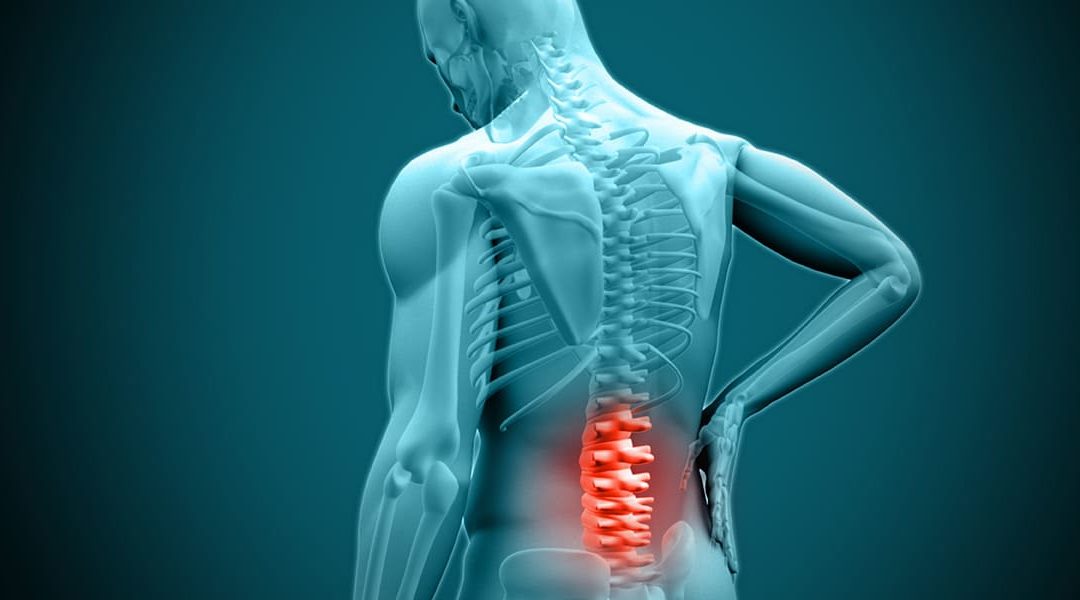
When someone gets a herniated/slipped disc diagnosis, the instinct is almost always to stop moving, be careful and wait for it to pass. I get it, the last thing we want is to make it worse. But it's also exactly what we shouldn't do.
When the balance in a region of the spine is disrupted, the surrounding muscles compensate. They have to work harder, so they fatigue and become irritated. But also, your nervous system is on high alert. The whole area has become flagged as a threat. And if we start to hyperfocus on the pain and fear movement, who only feed our "fight of flight" response. What the back actually needs is a three-part approach.
It's also crucial that we think about how these lower back problems develop in the first place. They rarely happen after a sudden traumatic injury. They rather tend to follow years of sitting, of being so focused on building a career and a family that we've completely ignored our body. I make the rebuilding of that connection a fundamental part of my approach. I want my clients to heal, but I also want to give them every chance to ensure this type of injury never happens again.
If you want to give it a try this week: spend two minutes lying on your back with your knees bent, doing nothing except noticing what you feel in your lower back. It will be hard, you will get bored. But keep listening, it's where reconnection starts. Om, peace 🧡 Clem |

Clémence Dieryck
I'm a bilingual yoga teacher who helps people who sit a lot gain mobility, move without pain and reduce their stress.

Yoga with Clem turns 10 this year 🥳 And I've turned 40. That felt like a good moment to look back with something more honest than a highlight reel. So I recorded an episode sharing the 10 mini habits that have genuinely made a difference over the past decade. True to my philosophy, I'm not sharing big impressive habits, but the ones that actually stuck. Some came from yoga. Some from running a business on my own for ten years. A couple from realising, slowly, that willpower is a terrible...
I talk about the pelvic floor a lot with my pregnant clients. They quickly understand how important this kind of work is to keep them comfortable during pregnancy and for their postpartum recovery. But the pelvic floor isn't just a women's health topic. You might be surprised to learn that... men have one too! It's just as worth looking after, but nobody talks about it. sorry about the unsollicited d*ck pic The pelvic floor is a group of muscles, kinda like a hammock at the base of the...
If you've ever been mid-yoga session and heard a loud crack from your knee, a pop in your shoulder, or an unexpected sound from somewhere lower 🫢 you're in good company. Body noises during practice are incredibly common, and they're one of those things people quietly wonder about but rarely ask. So let's talk about it! The three types of sounds that can come from your joints (and when to worry) The first is cavitation: the same mechanism behind knuckle cracking (btw, it used to be so common...